Bamboo is a material people can recognise before they know its name: in a woven object, a village fence, a waterwheel or the rhythm of a surface made from slender strips.
In Vietnam, those familiar forms provide a rich starting point for a contemporary product story. Bamboo carries an association with practical ingenuity—material shaped around a need, from everyday structures to the objects that come into the home. A modern board or tray adds another chapter to that relationship.
01 / A LIVING TRADITION
A material close to daily life.
In Pu Luong, Thanh Hoa, bamboo waterwheels offer a particularly vivid example. Vietnam’s national tourism authority describes them as a symbol of the area and its Thai communities, lifting water from streams and rivers to irrigate terraced rice fields.
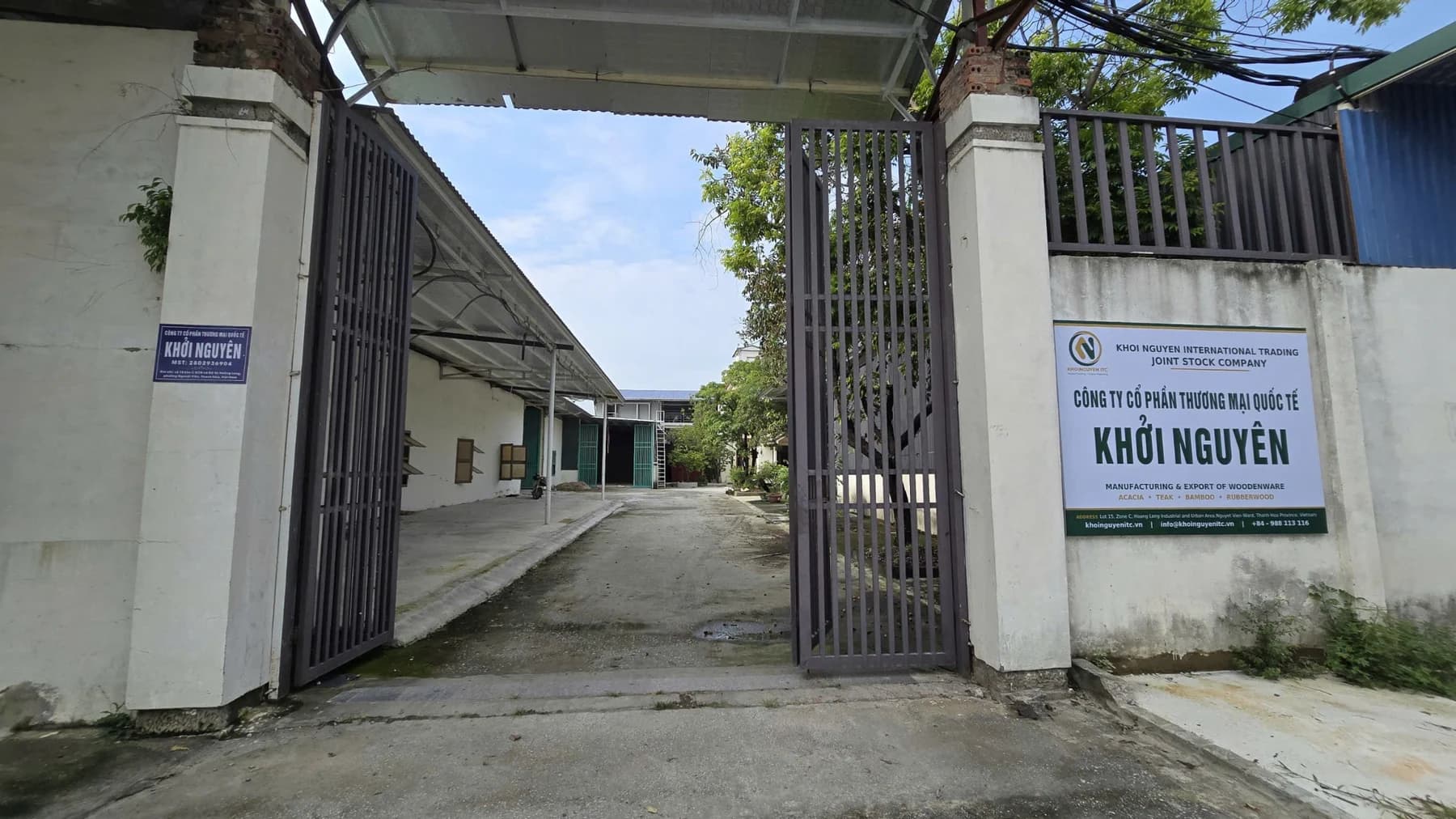
For a woodenware business based in Thanh Hoa, this regional context offers a meaningful way to introduce bamboo. It places the material within everyday life and local knowledge. The repeated lines of its stems offer a visual connection to the strips and surfaces of a finished board or tray.
02 / UNDERSTAND THE PLANT
Remarkable roots. Careful management.
Although many bamboo stems look tree-like, bamboo is a grass. Its shoots and stems develop from an underground rhizome system. FAO describes that structure as part of bamboo’s distinctive biology and its value as a renewable resource.
Renewal still depends on management. A responsible material story should ask how the stand is maintained, which stems are selected for harvest and how future growth is protected. A fast-growing plant does not remove the need to understand harvesting practices or the condition of the source area.
03 / A NEW EXPRESSION
From the stem to the surface.
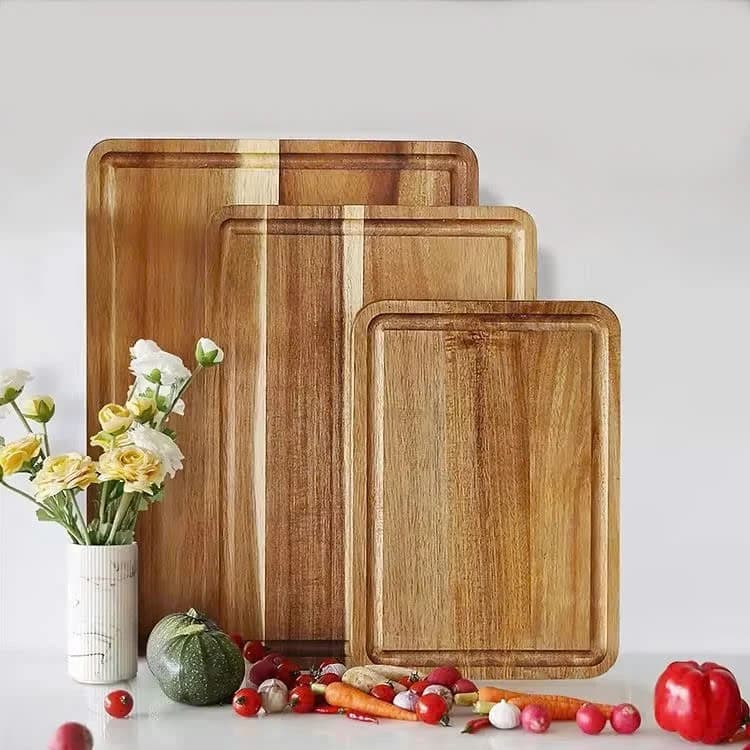
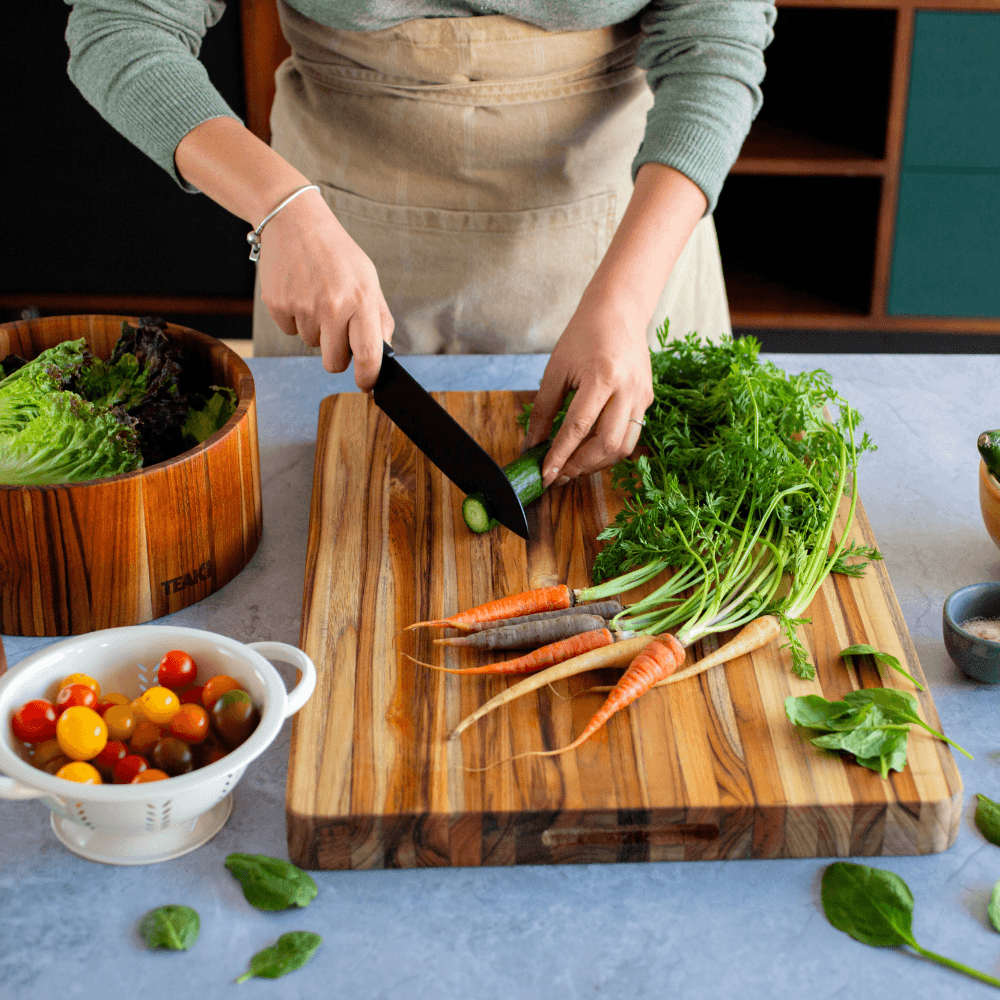
FAO also describes laminated boards and panels among bamboo’s modern uses. In kitchen and tabletop design, these forms allow the material to become a flat working or serving surface.
The finished object deserves as much attention as the origin story. A cutting board needs a well-defined working area and edge. A tray needs an appropriate base, rim and carrying arrangement. Colour, construction and finishing choices should be approved together, so that the product’s look is supported by a clear specification.
“A familiar material. A thoughtful object. Another chapter in everyday life.”
04 / TELL THE STORY WITH CARE
Carry the story forward.
For a private-label collection, begin with the details you can document. Establish the source of the bamboo, the construction of the finished product and the requirements for its intended use. Review adhesive and finish information, care guidance and packaging before making product claims.
The next chapter is written through those choices: a considered product, a traceable origin and a story that respects both the material and the people who work with it.
Sources & further reading
- Cục Du lịch Quốc gia Việt Nam — Pù Luông, Thanh Hóa: Thiên đường bình yênBối cảnh văn hóa cọn nước tre Pù Luông, Thanh Hóa.
- FAO — World Bamboo Resources (Tài nguyên Tre Thế giới)Báo cáo Đánh giá Tài nguyên Rừng Toàn cầu về sinh học và ứng dụng tre ép khối.
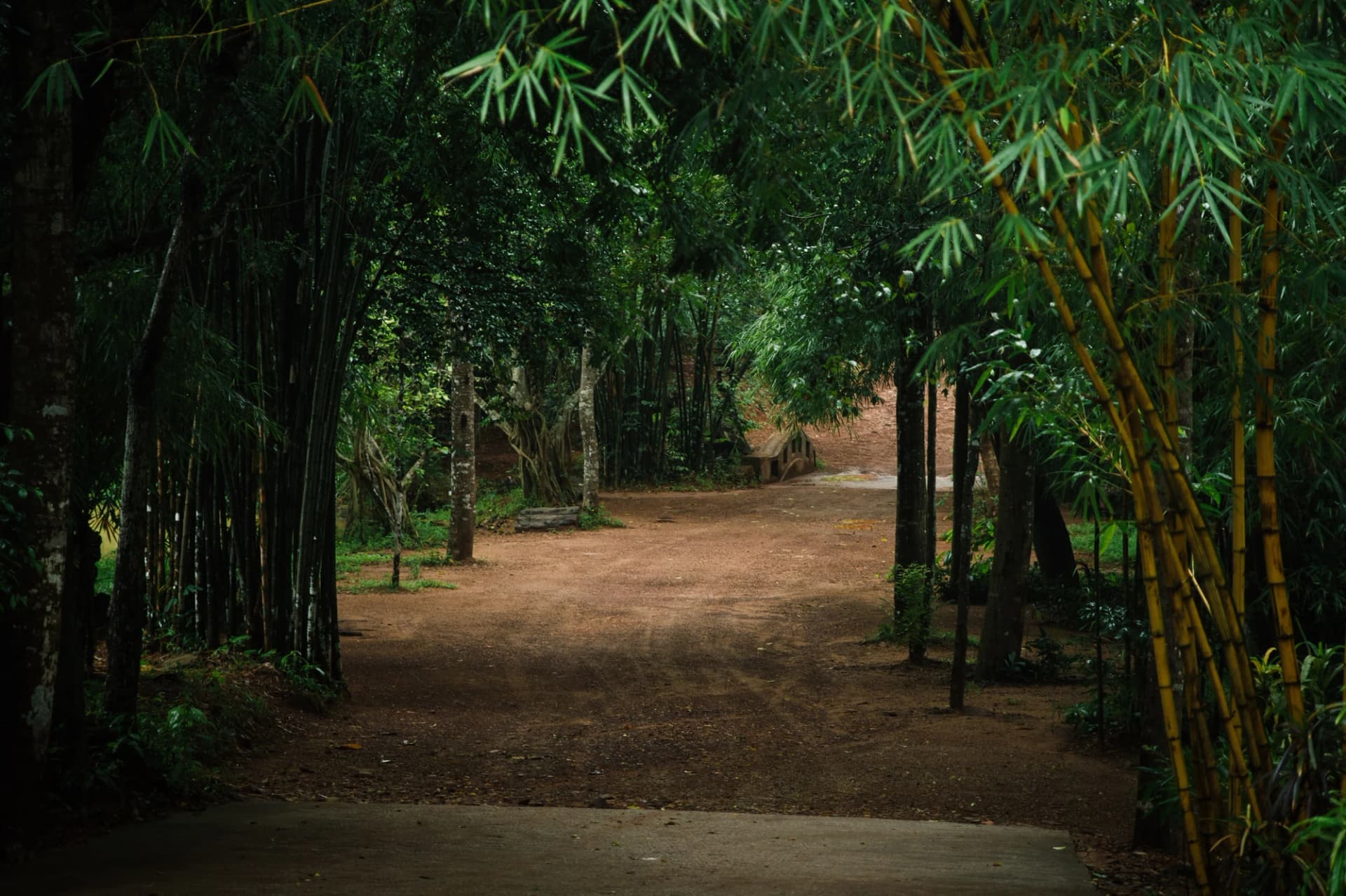
- Dương Nhân — Rừng tre tại Huế, Việt Nam (Pexels)Ảnh minh họa rừng tre tự nhiên Việt Nam.